The Rise of Digital Menus: How Restaurants Are Transforming the Guest Experience
From paper menus to QR codes and interactive screens, discover how restaurants worldwide are embracing digital menus — and why the shift is accelerating faster than anyone expected.
The Rise of Digital Menus: How Restaurants Are Transforming the Guest Experience
If you run a restaurant, you know this exact scenario: A customer picks up your menu, squints at a dish, and asks the server, “What’s in this? Is it spicy? Can it be made gluten-free?” The server pauses, tries to mentally pull up the recipe, and an interaction that should have taken ten seconds turns into a two-minute bottleneck.
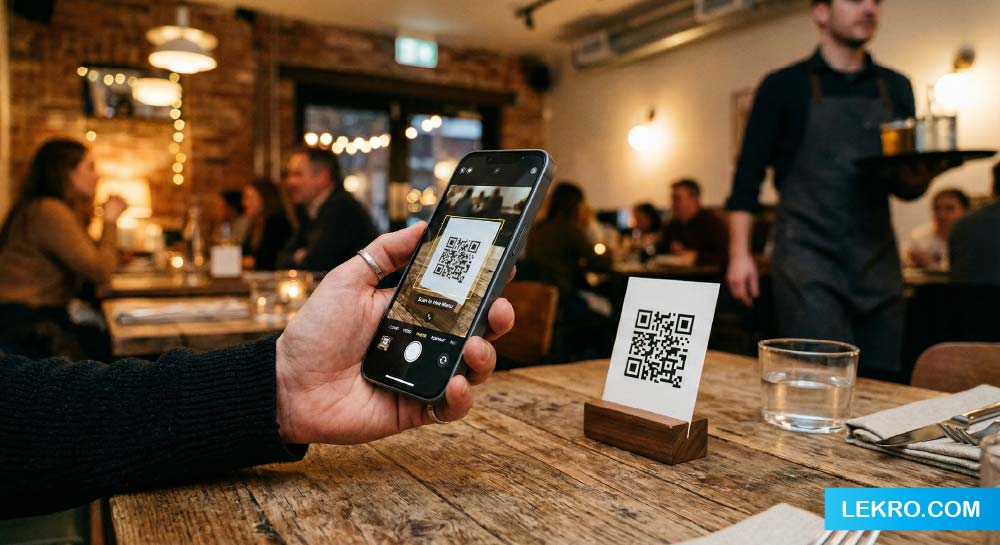
Now, imagine that same customer scanning a QR code on their table. In three seconds, they tap the dish and see a vibrant photo, a clear ingredient list, allergen warnings, and maybe even a quick chef’s note—all in their native language.
That is the magic of digital menus. They aren’t just a tech gimmick anymore; they are fundamentally changing how guests experience dining out, and the industry is shifting faster than anyone predicted.
The Problem with Paper
Let’s be honest: paper menus are a headache. They get stained, they tear, and they are essentially obsolete the second they leave the printer.
If you update your menu seasonally, you are likely spending thousands of dollars a year just on printing costs. But the financial drain is only half the battle. The real issue is that paper menus are static.
- They can’t highlight a sudden daily special.
- They can’t warn a customer about hidden allergens without cluttering the design.
- They can’t translate themselves for international tourists.
- They don’t sell your food visually the way a great photo does.
Digital menus solve these operational headaches automatically, completely freeing up your staff to focus on actual hospitality rather than just taking orders.
Ready to ditch paper menus?
Join hundreds of restaurants already using Lekro to modernize their guest experience.
The 86’d Item Solution
Ask any floor manager what their biggest Friday night frustration is. It’s usually running out of a popular dish right in the middle of a rush.
With paper menus, your servers have to walk to every table and deliver the bad news, often after the customer has already set their heart on the dish. It creates friction and disappointment.
With a digital menu, you simply toggle the item off in your dashboard. It vanishes from the menu in real-time. No awkward conversations, no let-down diners. The same goes for pricing adjustments—if ingredient costs spike, you can update your prices instantly across the board without calling a print shop.
People Eat with Their Eyes
The numbers backing up the shift to digital are hard to ignore. Restaurants making the switch routinely report a 10% to 20% increase in average order values.
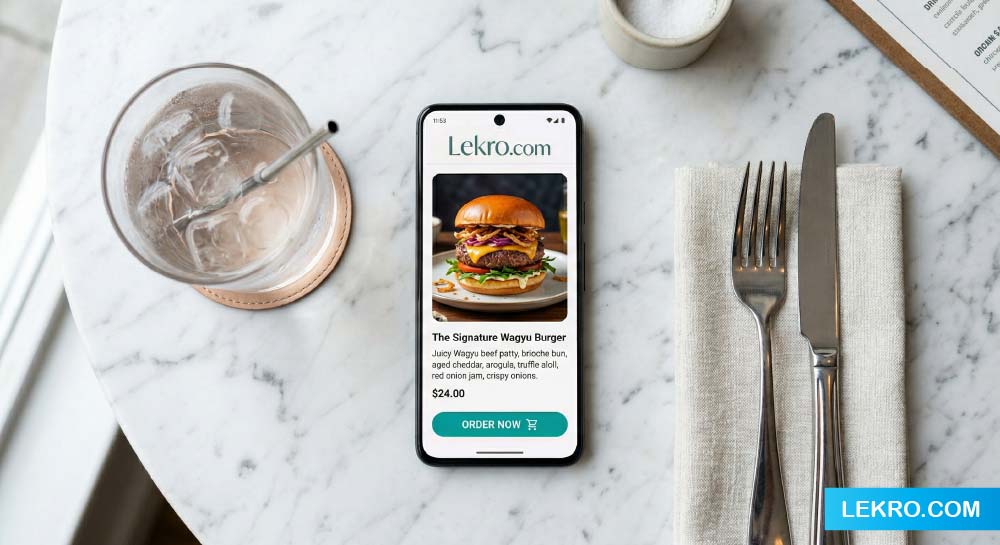
Why? Because customers browse differently on their phones. When a guest sees a high-resolution, mouth-watering photo of your signature appetizer or a premium cocktail, they are significantly more likely to order it.
There’s a psychological boost at play here, too. Visual menus build confidence. When the food arrives looking exactly like the picture, post-meal satisfaction goes up. That means fewer complaints and better online reviews for your venue.
Busting the “Tech-Savvy” Myth
A common fear among restaurateurs is that older demographics will hate scanning a QR code. While some guests will always prefer a physical menu, the vast majority have adjusted perfectly fine—provided the software is actually good.
A clunky, slow digital menu that requires guests to create an account is a surefire way to kill the mood. The best digital menus:
- Load instantly (in under two seconds).
- Feature large, accessible typography.
- Require zero app downloads or sign-ups.
Always keep a couple of beautifully designed physical menus behind the host stand for guests who genuinely need them. The goal is to elevate the experience for the 95% of your diners, not alienate the 5%.
The Next Era of Dining
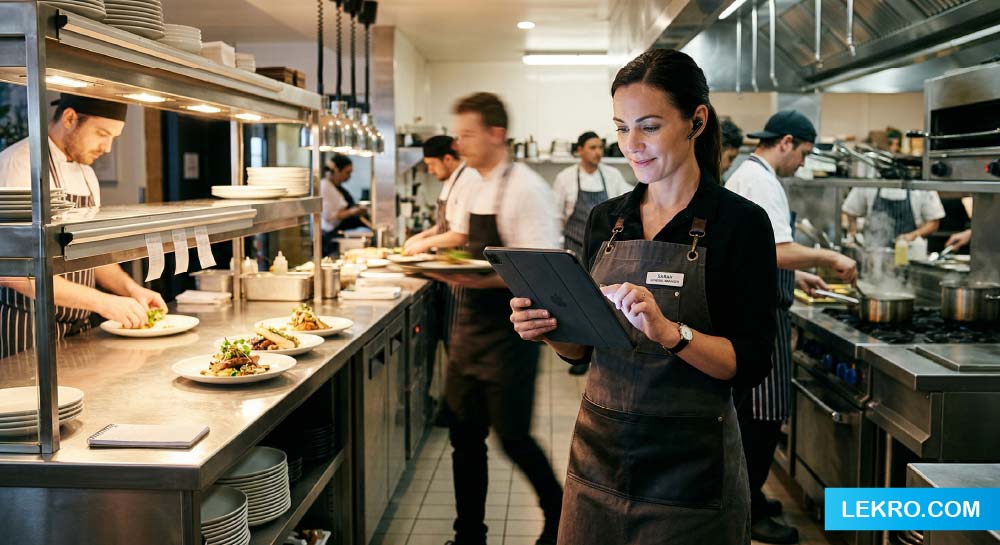
We are only scratching the surface of what this tech can do. In the near future, digital menus will become even more personalized. Imagine a menu that automatically highlights vegetarian options for a guest who always orders plant-based meals, or perfectly integrates with your kitchen display system so orders fire straight to the line.
If you are thinking about making the leap, you don’t need a massive budget or a complete operational overhaul. Start simple. Generate a QR code, upload your top-selling items with some great photos, and place it alongside your physical menus. Watch how your customers interact with it.
The restaurants thriving today are the ones meeting their guests exactly where they already are: on their phones.
Tags