How AI Is Reshaping the Restaurant Industry
Artificial intelligence is quietly transforming everything from how restaurants predict demand to how they personalize the ordering experience. Here's what's actually happening — and what it means for your restaurant.
How AI Is Reshaping the Restaurant Industry
If you feel like “AI” is just a buzzword thrown around by every software company to sell you things, you aren’t alone. But in the restaurant business, AI is actually solving real, expensive operational headaches that were impossible to fix just a few years ago. It is no longer a question of if AI will impact your restaurant, but how fast and in what ways. Let’s skip the hype and look at what is actually working on the ground today.
Nailing Your Prep with Demand Forecasting
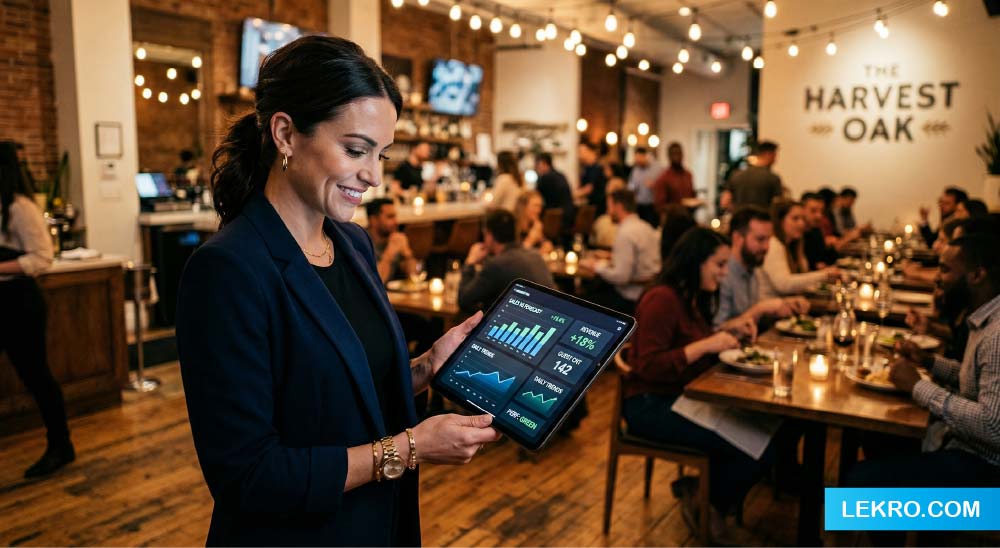
Guessing your daily prep volumes is one of the most expensive games you can play. If you prep too much, you throw money in the trash; if you prep too little, you annoy customers and lose out on sales. While chefs traditionally relied on gut feeling and last week’s numbers, AI tools now analyze hundreds of factors at once—including the weather, local events, public holidays, and even social media—to give you incredibly accurate predictions. Even a 10% boost in your prep accuracy means significantly less food waste and better availability of your menu items, which goes straight to your bottom line.
Making Every Guest Feel Like a Regular
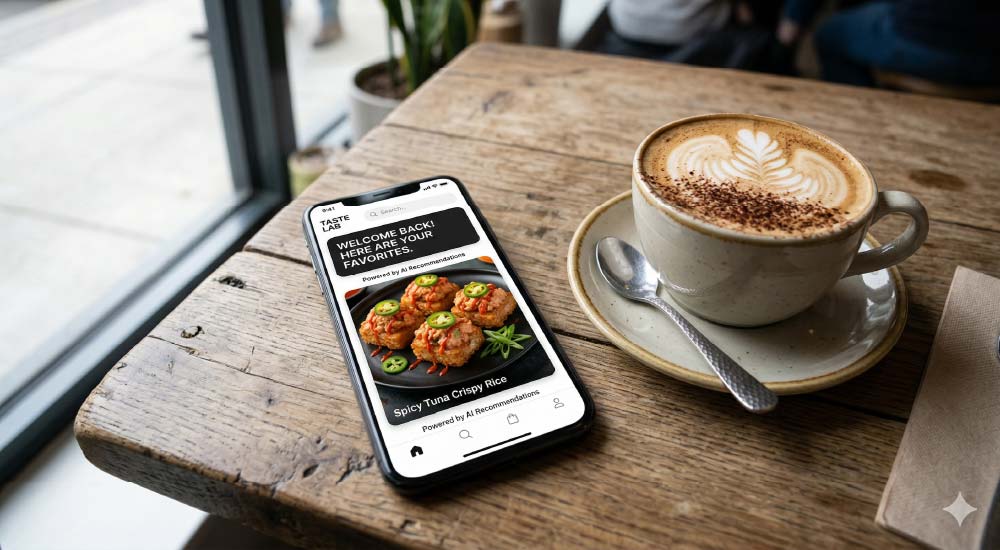
A stellar waiter remembers a regular’s favorite drink, but scaling that level of hospitality for every guest used to be impossible. Today, AI-powered digital ordering systems build profiles for returning customers, tracking their preferences across time and suggesting items based on what they actually like. If a guest always orders spicy food, the system can surface the hotter variant of a new dish first. When done right, this personalization feels magical rather than intrusive, and it is now entirely accessible to independent restaurants.
Want to give your guests a personalized digital experience?
Use Lekro to build smart digital menus that remember your customers’ preferences and boost your sales.
Smarter Menu Engineering
Instead of waiting for a quarterly review to see what is selling, AI gives you near-real-time insights into your menu’s performance. You can instantly see which items are frequently bought together, which dishes get abandoned mid-order, and what generates the most profit. You don’t need a math degree to use it, either; the best tools simply tell you things in plain English, like, “Your grilled chicken has a high margin but sells slowly—try repositioning it on the menu”.
Perfect Timing in the Kitchen
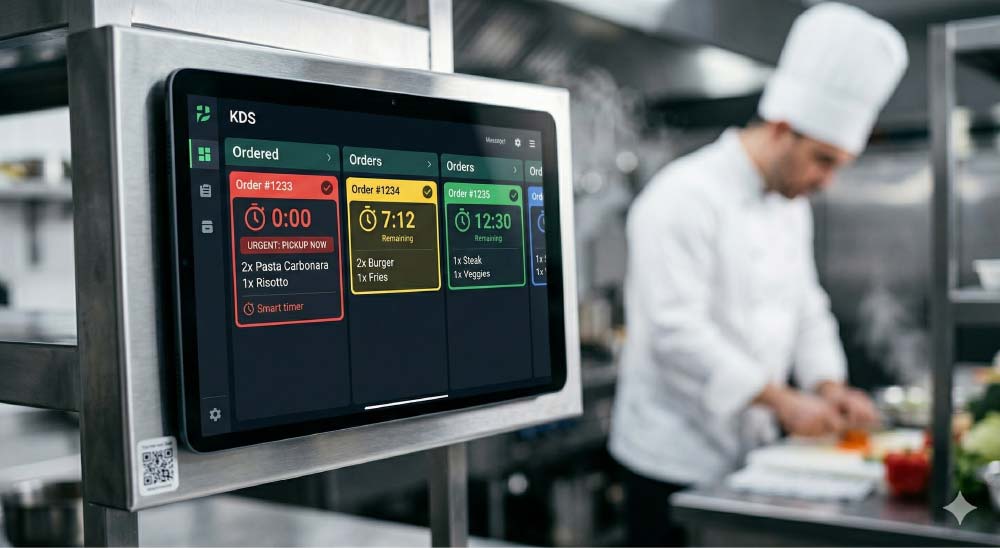
Coordinating a busy kitchen so that a table’s starters, mains, and desserts arrive exactly when they should is incredibly difficult. AI-powered Kitchen Display Systems (KDS) now track ticket statuses in real-time and predict prep times based on current kitchen capacity. They proactively alert your staff before a course runs late, resulting in smoother service, fewer apologies, and a much higher chance of getting a five-star review.
Automating the Front of House
AI chatbots and smart reservation systems are taking over the repetitive interactions that used to tie up your human staff.
- A well-configured AI assistant can instantly and accurately answer customer questions about your opening hours or gluten-free options 24 hours a day.
- Smart reservation platforms now optimize your table allocation to maximize covers, send intelligent reminders to drastically reduce no-shows, and identify customer patterns for better planning.
The Reality Check
Let’s be clear: AI cannot replace the warmth of a great server or the creative inspiration of a chef. It also makes mistakes, and any AI tool is only as good as the data it receives. The smartest owners use AI as a tool to handle tedious analysis and repetitive tasks, freeing up their team to focus on genuine human hospitality.
If you are curious but overwhelmed, just start small. Pick your most acute problem—like food waste or inconsistent kitchen timing—and find a specific tool for it. Restaurants that learn to adopt these tools now will have a massive operational advantage in the next three to five years. The compounding effect of better forecasting, smarter menus, and personalized service is exactly what keeps a restaurant business open and thriving.
Tags